I’d just bought the iPhone 17 not long ago, but somehow I ended up picking up a Galaxy S25 FE as well. After using it for about two weeks, I figured I’d share my hands-on impressions.
I use an iPhone as my main phone, but I’ve always kept a Galaxy as my secondary and work phone—so this won’t really be an iPhone user’s perspective on Android.
Why I Bought the Galaxy S25 FE
My trusty secondary phone, the Galaxy Note 10 Plus, was starting to show battery issues again—even after one battery replacement. Everything else was still working fine, so I went back and forth on whether to just swap the battery again. But it had been quite a while since the last security update, so I decided it was time for a replacement.
The Galaxy A57 isn’t sold unlocked in Korea, so I planned to go with the Galaxy A37. The Galaxy A36 had come down enough in price to grab for under 400,000 KRW, but the reviews were a bit lukewarm and it no longer supports MicroSD cards—two reasons I crossed it off the list.
Then news broke that the Galaxy A57 was getting a price bump. (And honestly, there’s been a lot of grumbling overseas about how much pricier it’s gotten…) Even if the Galaxy A37 launched in Korea, I figured it’d land near the 600,000 KRW mark.
That’s when I noticed Coupang selling the Galaxy S25 FE in the low 800,000 KRW range. Factor in a card discount and 50,000 KRW back in Coupang cash, and the effective price came out to about 750,000 KRW (roughly $550). I caved and bought it.
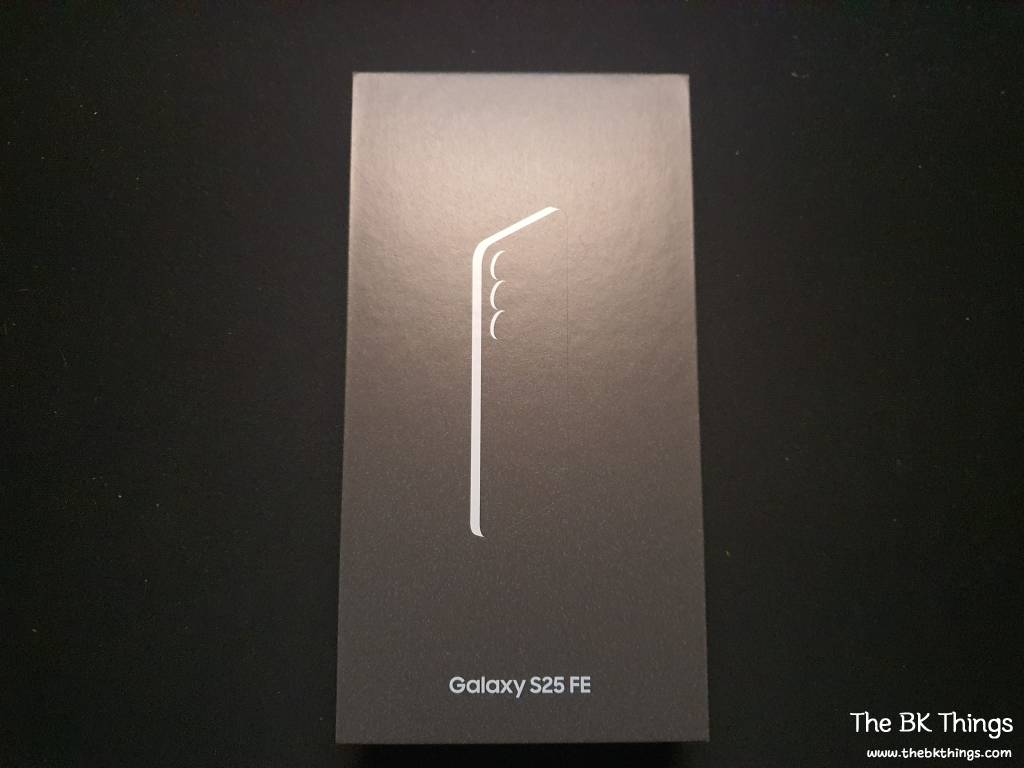
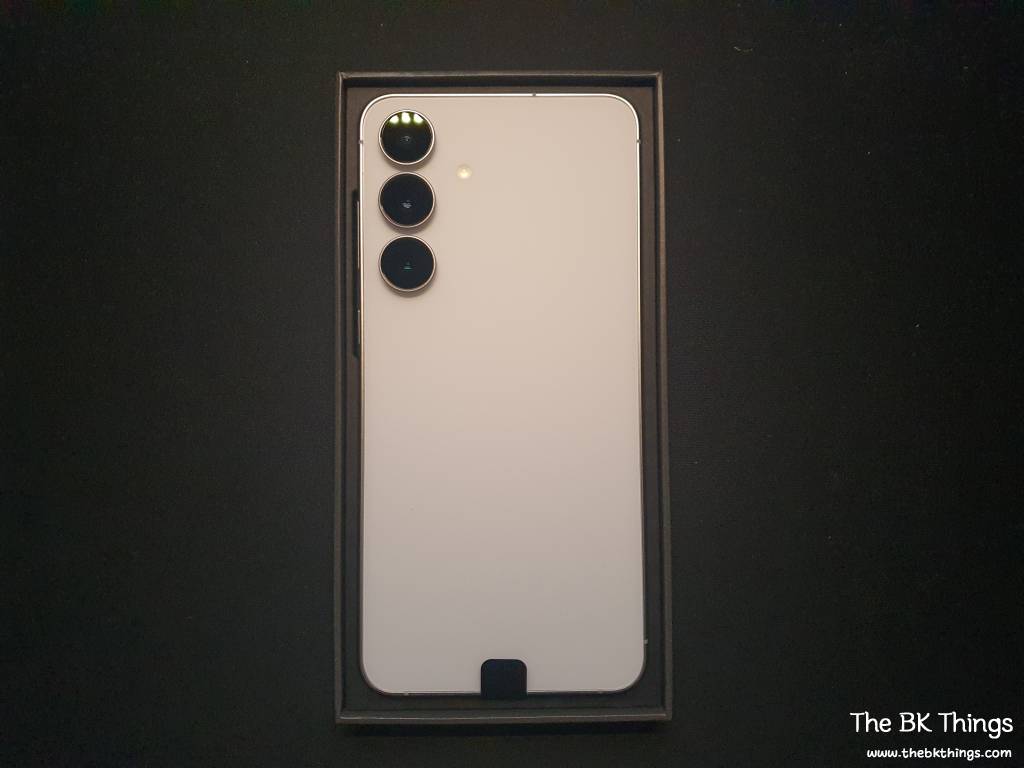
Flagship-Looking Exterior?
This is the part I had zero expectations for.
I expected something closer to the Galaxy A series in look and feel, but the design actually leans much closer to the Galaxy S series. The bottom bezel is slightly thicker than the top, which is a minor letdown—but at a glance, you’d have a hard time telling it apart from the Galaxy S25 Plus. Honestly, I love the design.
Surprisingly Lightweight
I figured a 6.7-inch phone with everything packed in would tip past 200g, but it comes in at 190g. Light enough to be comfortable in hand.
The Display Really Does Stand Out
Samsung’s Dynamic AMOLED 2X really is in a different league.
The Super AMOLED panels in the Galaxy A series get decent reviews, but they’re not really comparable to Dynamic AMOLED 2X. It doesn’t go all the way down to 1Hz like the full Galaxy S lineup, but it supports variable refresh from 60Hz up to 120Hz—more than enough. Easy on the eyes, and I’m very satisfied with it.
The Camera Holds Its Own
None of the lenses—main, ultrawide, or telephoto—feel like a noticeable step down. It’s much closer to flagship territory than mid-range. The fact that the third lens (telephoto) also includes OIS is a really nice touch.
Battery Life Is… Something
It’s a 4,900 mAh battery, which isn’t small, but something feels off.
At first I figured battery optimization would kick in after more usage, but the battery life remains underwhelming. It feels like it could go longer than it does—a bit of a disappointment.
Heat Is Also a Concern
Even though I don’t game on my phone, I’ve felt the device warm up.
Using the AI features in the Samsung Internet app, in particular, makes the back warm to the touch. For a phone this size, that’s a little disappointing.
Exynos 2400 Performance
Personally, I have no complaints about the Exynos 2400’s performance.
It’s not a mid-range chip, and the CPU/GPU balance feels solid—reasonable for the price bracket. That said, I suspect the heat and battery life issues I mentioned above might be the Exynos 2400’s limits showing through.
Full Galaxy AI Support
Samsung only brings the full Galaxy AI feature set to flagship phones. The Galaxy A series and other mid- to entry-level phones only get Awesome AI.
The Galaxy S25 FE may well be the cheapest Galaxy phone you can buy with full Galaxy AI support. With the iPhone still stumbling on the AI front, Galaxy AI feels even more appealing right now.
Wireless Charging Supported
Wireless charging—a feature usually reserved for Samsung’s flagships—is included here. It supports Qi2, so charging speeds aren’t bad. Wired charging tops out at 45W, which is plenty fast.
I Recommend the Galaxy S25 FE
I didn’t mention these above, but the USB-C port supports USB 3.2 and DP-Alt, storage is UFS 4.0, and the display is protected by Gorilla Glass Victus+—all specs that fit a flagship. The 8GB of RAM and the Exynos AP from a generation or two back are the giveaways of the FE line.
The biggest issue is that the Galaxy S25 FE’s official retail price is 946,000 KRW (around $695). Nobody is realistically going to buy it at that price. In my view, somewhere in the mid-to-high 700,000 KRW range (around $550–$580) is the sweet spot. Even as I write this, the price has come down to the low 800,000 KRW range—still a bit higher than I’d like.
Compared to the Galaxy S25 series, you’ll find spec downgrades here and there. But the Galaxy S25 FE still holds onto what matters for a flagship-tier phone. If you can pick one up in the mid-to-high 700,000 KRW range, I’d genuinely recommend it.
Personally, I’m very satisfied with the purchase.