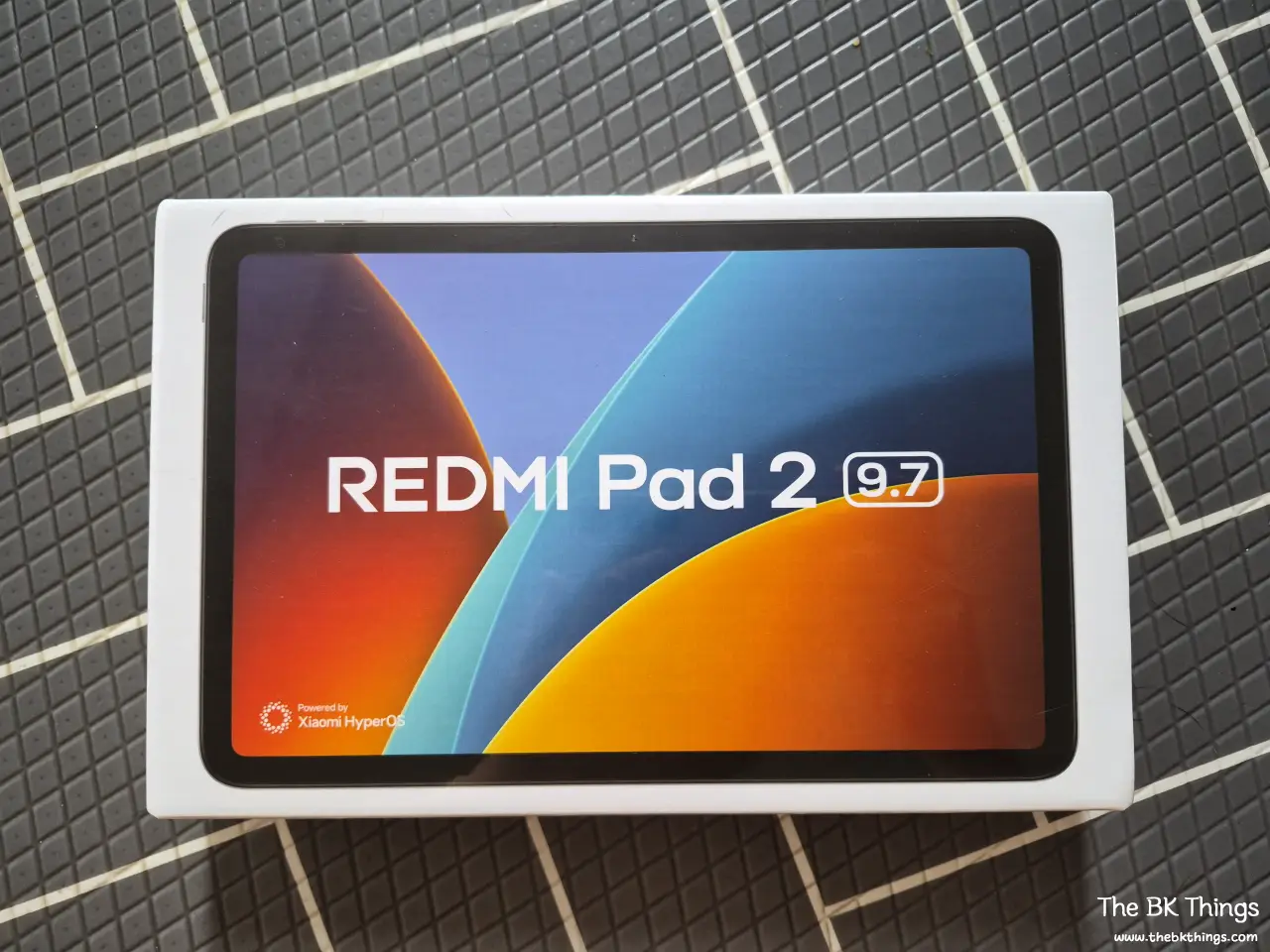
I bought the Xiaomi Redmi Pad 2 9.7 in July, and after about three months of use, here is my review.
It is the second Xiaomi tablet I have bought after the Redmi Pad 2 Pro, so somehow I have ended up with two Xiaomi tablets.
Why I Bought the Redmi Pad 2 9.7
When I work on my computer, I usually watch OTT services or YouTube on a tablet.
My wife seemed a little jealous and said she would like a tablet too. I asked whether she wanted to use my Redmi Pad 2 Pro, but she said it was too big and heavy, so I started looking at smaller tablets.
The Galaxy Tab A11+ looked like the best fit, but after a price increase it was no longer such a good deal.
In the end I was torn between Lenovo and Xiaomi again, and chose Xiaomi for its longer software update period. Since she would only use it for watching videos, she was fine with something cheap, so I bought the Redmi Pad 2 9.7, the cheapest tablet officially released in Korea.
Redmi Pad 2 9.7 Unboxing and Design
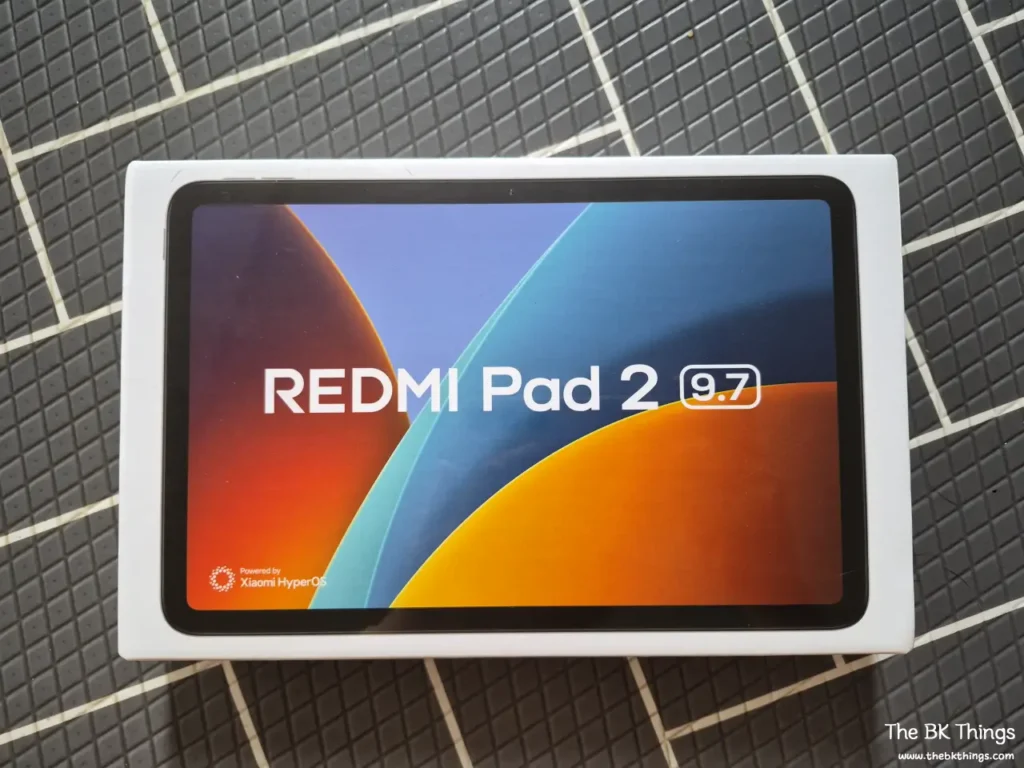
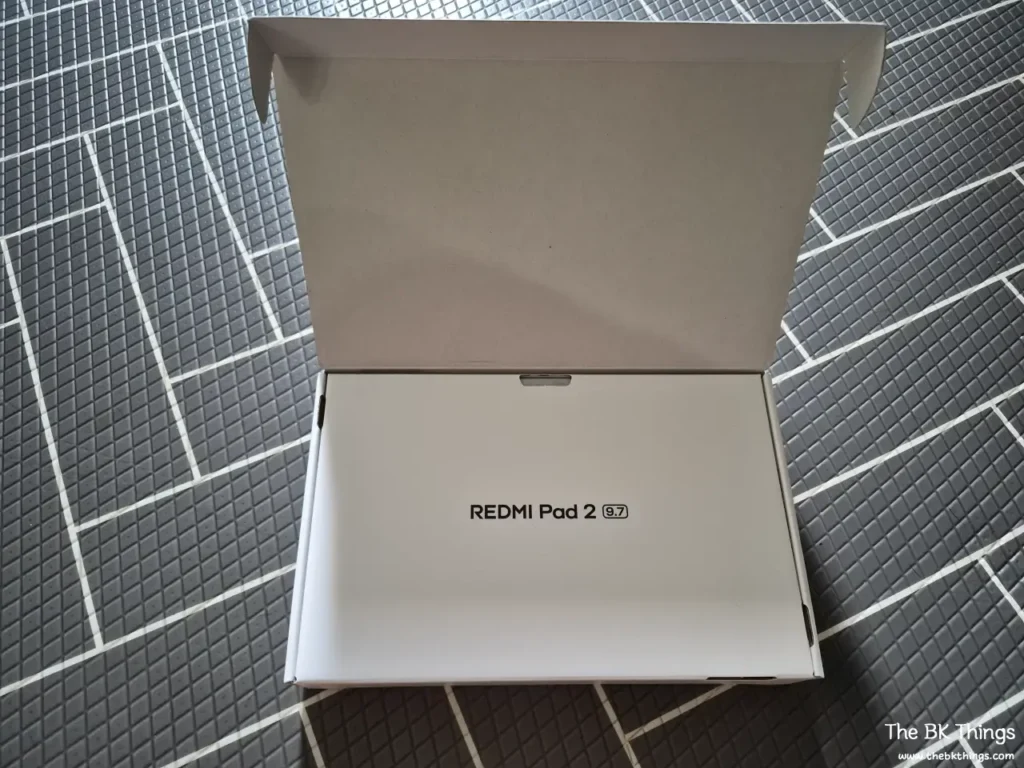
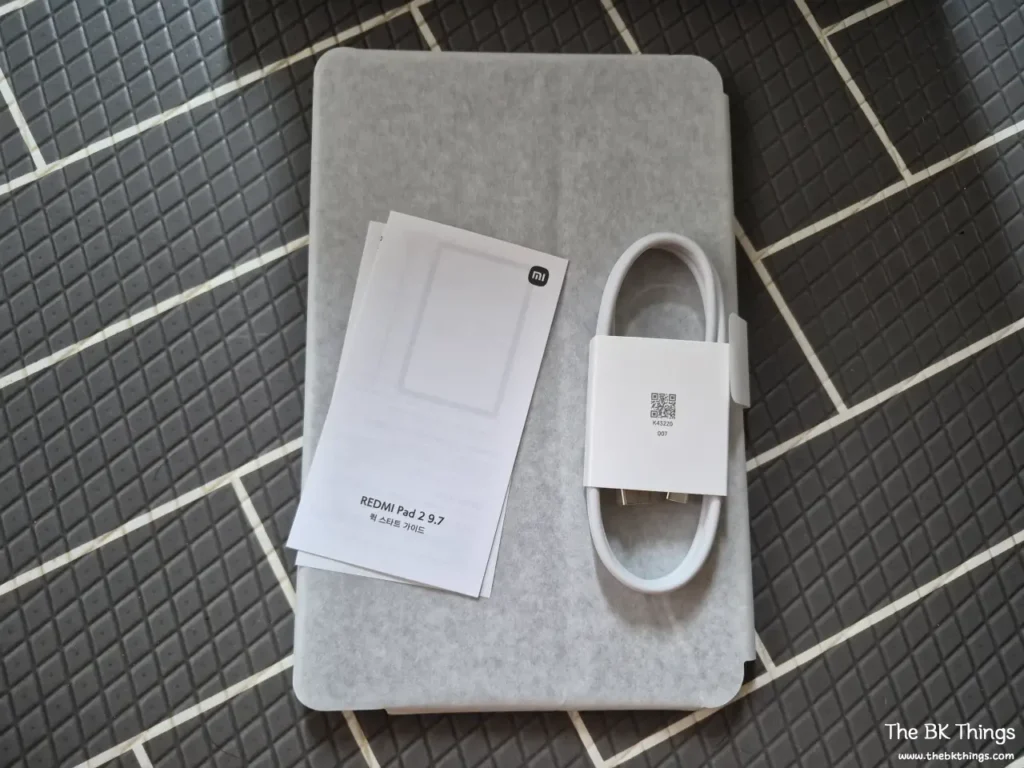
The box contents are no different from other tablets.
I thought Xiaomi devices came with a charging adapter, but the Redmi Pad 2 9.7 does not include one.
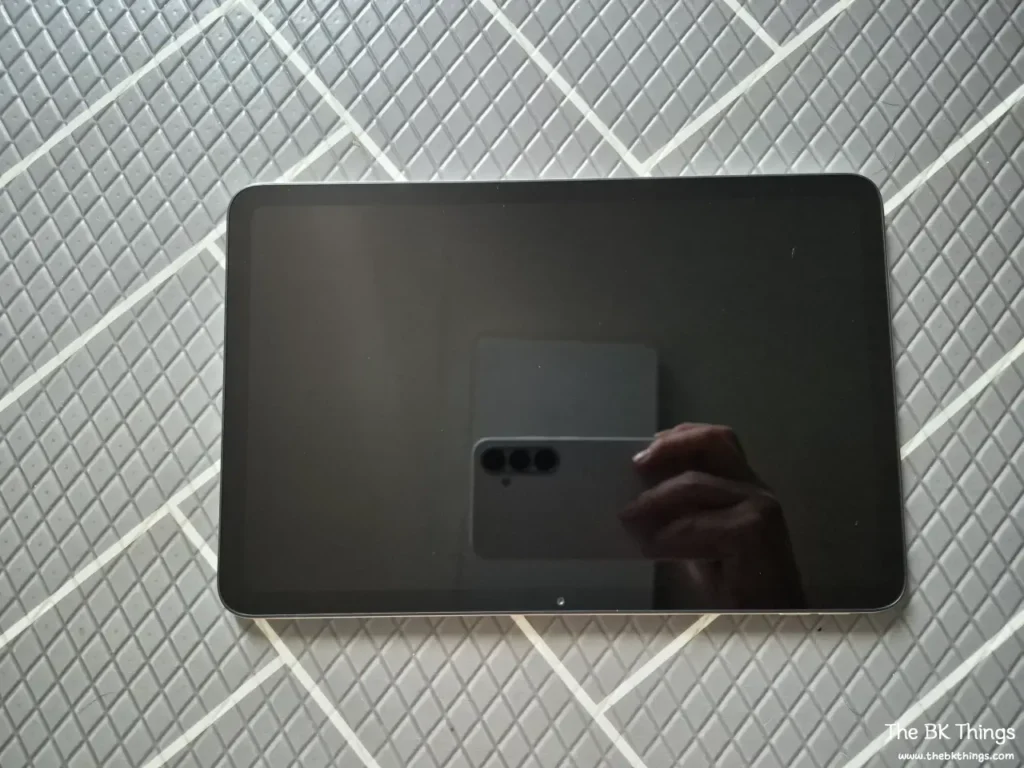
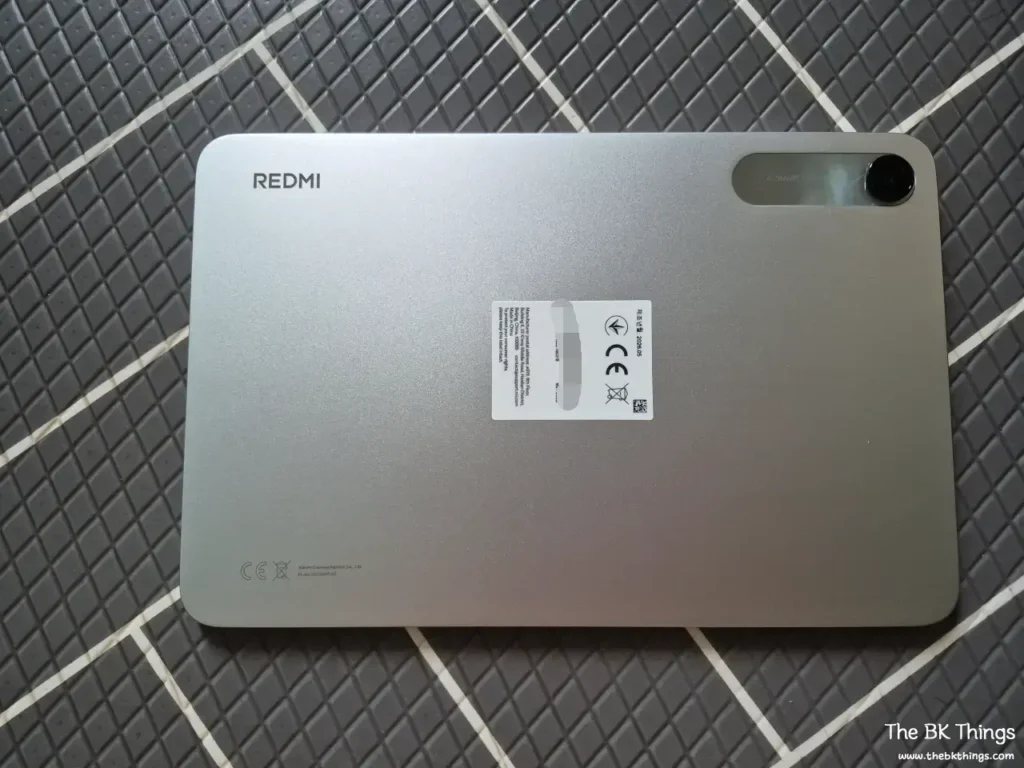
There is nothing special about the design.
These days even entry-level tablets use modest materials but still look well built at first glance, and this one fits that description exactly.
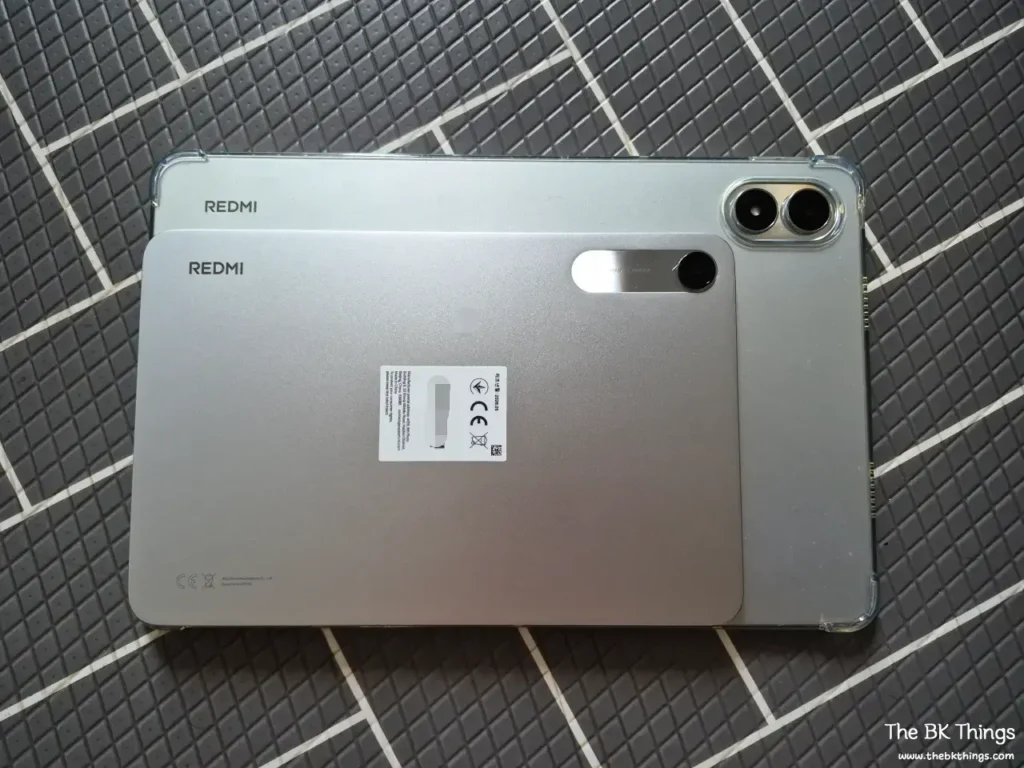
Here it is next to the Redmi Pad 2 Pro. I never thought of a 10-inch tablet as small, but it feels quite compact.
It also feels really light. I guess that is because I have only been using 12-inch tablets.
Redmi Pad 2 9.7 Review: Daily Use
Looking at the Redmi Pad 2 9.7, it strongly feels like the successor to the Redmi Pad SE.
It seems the SE line was simply renamed with the 9.7 name, so there is not much to brag about on the spec sheet.
Snapdragon 6s 4G Gen 2 Performance
Since it does not use a MediaTek Helio G99 or G100, I hoped it might be a bit better, but there does not seem to be much difference.
I suppose I should be happy that it has a Qualcomm chipset rather than MediaTek.
With only 4GB of RAM, it handles OTT and YouTube fine, but it feels sluggish when you try to do more.
It feels slower than the Galaxy A07, which has the similarly specced Helio G99, and I think the higher resolution is probably the reason.
A Decent Display
It has a 2048 x 1280 resolution and supports a 120Hz refresh rate.
Peak brightness goes up to 600 nits, so even though it is a cheap entry-level tablet, Xiaomi clearly paid attention to the display.
The display is not bad at all.
Sound: No Dolby Atmos
It is hard to find a tablet these days without Dolby Atmos, yet this Xiaomi tablet does not support it.
Even so, watching videos is not a problem. The speakers get fairly loud.
Wi-Fi Reception
I was not worried about this because it uses a Qualcomm chipset, but Wi-Fi connectivity is a bit weak.
When the bedroom door is closed, it loses the Wi-Fi signal. For reference, the router is in the living room.
The Redmi Pad 2 Pro connects without any problem, so there seems to be a difference in the antenna or bands.
Redmi Pad 2 9.7: Final Thoughts
As I mentioned above, it looks like the successor to the Redmi Pad SE.
As Xiaomi’s entry-level tablet, it seems to have launched with a single 4GB RAM model and a 10-inch platform, which is rarely chosen these days, to keep the price low while mobile device (memory) prices are rising.
It is an entry-level model, but fortunately it gets a fairly long software support period.
Security updates until April 2033 and OS upgrades up to Android 21 are something I really like. (You can check this information on Xiaomi’s official website.)
I bought it in July for KRW 219,000, but the current price is about KRW 250,000, so it looks like the price has gone up by around 13%.
It is not a high-performance tablet, but considering the long software support, the display and the sound, I think it may be the best choice for watching videos.